

Yiśraʼel: The Land in Biblical History
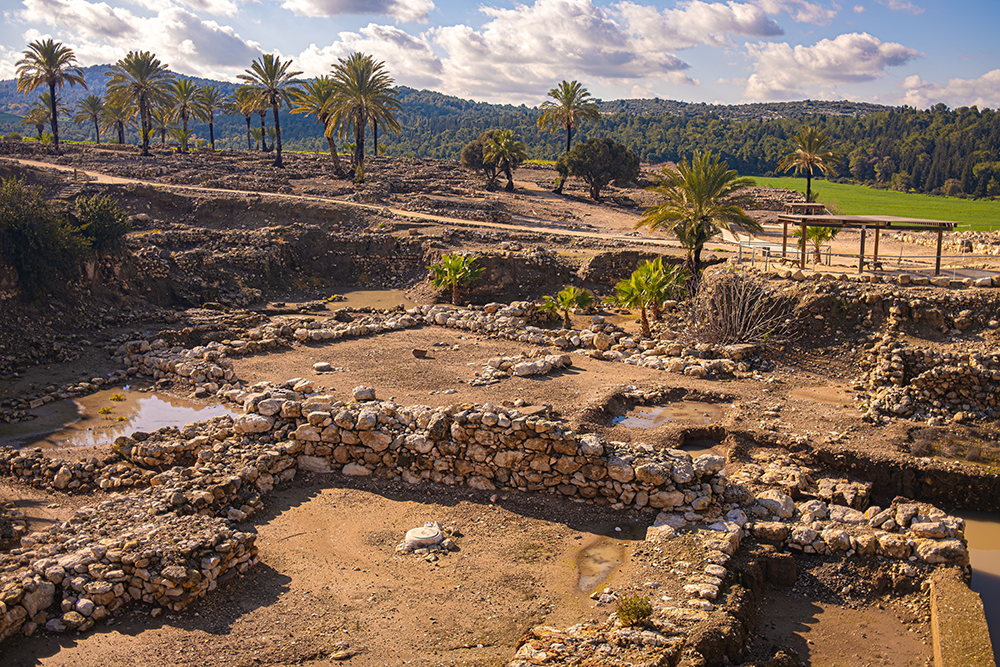
From Abraham to the Prophets: The biblical history of Israel begins with a single family in the book of Genesis. God calls Abram out of Mesopotamia and brings him into the land of Canaan, promising that it will become the home of his descendants (Gen. 12:1–7). This moment sets the foundation for everything that follows. The land is not chosen by human strategy or migration patterns; it is selected and assigned by God.
As the generations unfold, the family of Abraham grows into a nation. The Exodus marks Israel’s dramatic deliverance from Egypt and their return journey toward the land originally promised to their forefathers. At Sinai, Israel receives God’s law—defining their identity, worship, and social order. The land is always in view, described as the place where these covenant principles are to be lived out (Deut. 6:1–3).
The period of Joshua and the Judges shows Israel settling the land, though not always fully or faithfully. The monarchy under Saul, David, and Solomon brings political stability and religious centralization, especially when the Temple is built in Jerusalem. God’s promise to David—that his throne would endure (2 Sam. 7:12–16)—adds another crucial layer to the land’s importance. It becomes the place from which God intends to administer His rule through a future son of David.
The divided kingdom era and the rise of the prophets reveal Israel’s struggle to remain faithful. Prophets like Isaiah, Jeremiah, and Ezekiel warn the nation about the consequences of idolatry and injustice, yet they also look beyond judgment to a future period of restoration. Their messages consistently assume continuity: the same people who are exiled will one day be brought back to the same land (Jer. 30–31; Ezek. 36–37).
Through these centuries, the land serves as the consistent framework for God’s dealings with Israel. It is the setting of their calling, the place of their worship, the center of their national life, and the focus of both their discipline and their hope. Understanding this history helps modern readers see how deeply the land is woven into the biblical story and why it remains significant throughout Scripture.
The Rise and Fall of Kingdoms: Israel’s landscape tells the story of kingdoms that rose, flourished, declined, and were rebuilt again across the centuries. After the period of the judges, the nation eventually united under Saul and then reached its height under David and Solomon. Jerusalem became the political and spiritual center, and the Temple stood as the focal point of Israel’s worship.
Following Solomon’s reign, the kingdom divided into two: the northern kingdom of Israel and the southern kingdom of Judah. This division shaped much of the Old Testament narrative. Each kingdom experienced seasons of faithfulness and periods of rebellion, and the prophets often warned that drifting from God’s covenant would lead to national consequences.
Those warnings came to pass. Assyria conquered the northern kingdom in 722 BC, and Babylon captured Judah in 586 BC, destroying the Temple and carrying many of its people into exile. Yet even in these moments of judgment, the prophets spoke of future restoration—return to the land, renewed worship, and a restored people.
The rise and fall of these kingdoms reveal the historical contours of Israel’s story. They show how political events, geographical realities, and spiritual commitments intersected, and they highlight the consistent theme that God’s purposes continue through every stage of Israel’s national life. Many of the sites tied to these events can still be seen today, offering visitors a tangible connection to the narrative recorded in Scripture.
The Return to the Land after Exile: The Babylonian exile marked one of the most disruptive moments in Israel’s history. Cities were destroyed, the Temple was burned, and many of the people were taken far from their homeland. Yet even in the midst of this crisis, God spoke through the prophets and assured the nation that exile would not be the final word. The same people who were removed from the land would one day be brought back to it (Jer. 29:10–14; Ezek. 36:24).
That promised return began under the Persian Empire. In 538 BC, King Cyrus issued a decree allowing the Jewish people to go back to Jerusalem and rebuild the Temple (Ezra 1:1–4). This event fulfilled the words of the prophets and demonstrated that God remained committed to His covenant despite Israel’s failures.
The books of Ezra and Nehemiah describe the early stages of this restoration. The Temple was rebuilt, the walls of Jerusalem were repaired, and the community was reestablished around its religious and cultural identity. Though the restored nation was smaller and politically weaker than before, the return marked a significant moment: Israel was once again living in the land that God had promised to the patriarchs.
The prophets who ministered during and after the return—Haggai, Zechariah, and Malachi—continued to look forward to a future that extended beyond their own day. Their messages included both immediate encouragement and long-term expectation. They spoke of a coming king, renewed worship, national restoration, and a time when the land would once again flourish (Zech. 8:3–8).
The return from exile shows a consistent pattern in the biblical narrative: God’s purposes for Israel are connected to the land, and His promises move through history in tangible ways. The restoration under the Persians was not the final fulfillment of the prophetic vision, but it demonstrated God’s ongoing commitment to the people and the territory He had chosen.

Israel in the Time of Jesus: By the first century, Israel had undergone significant changes. After the exile and the return under Persian rule, the land passed through the hands of several empires—Persian, Greek, and eventually Roman. Yet despite these political shifts, the Jewish people maintained a continuous presence in the land, centered especially around Jerusalem and the surrounding regions.
This is the setting into which Jesus was born. The Gospels show that the geography of Israel is not merely background information; it shapes the narrative. Jesus is born in Bethlehem (Mic. 5:2; Matt. 2:1), grows up in Nazareth, and conducts much of His ministry around the towns and villages of Galilee. He travels repeatedly to Jerusalem, where major events of His teaching, trial, death, and resurrection take place.
The landscape of Israel provides the physical context for His parables, miracles, and interactions with the people. The Sea of Galilee, the hills of Judea, the Temple courts, and the Mount of Olives are all woven into the story. These are real places that still exist today, anchoring the Gospel accounts in identifiable geography.
Politically, first-century Israel lived under Roman authority, but maintained its own religious leadership centered in the Temple. Groups such as the Pharisees, Sadducees, and Essenes shaped the religious environment, while Herodian rulers and Roman governors administered political power. This complex setting helps explain many encounters in the Gospels, including Jesus’ interactions with various leaders and His discussions about the Kingdom of God.
Importantly, the New Testament writers continue to view Israel as a distinct nation within God’s broader plan. Jesus speaks of a future for Jerusalem (Luke 21:24), and His disciples ask about the restoration of the kingdom to Israel (Acts 1:6). Paul later affirms the continuing significance of Israel in Romans 9–11, underscoring that God’s covenant purposes for the nation remain intact.
Understanding Israel in the time of Jesus helps readers see how the Old Testament story leads directly into the New Testament. The land, the people, and the promises form an unbroken line that provides continuity between the Testaments and clarity for the unfolding narrative.


