The East Gate of Jerusalem: The Sealed Gate of Promise and Expectation
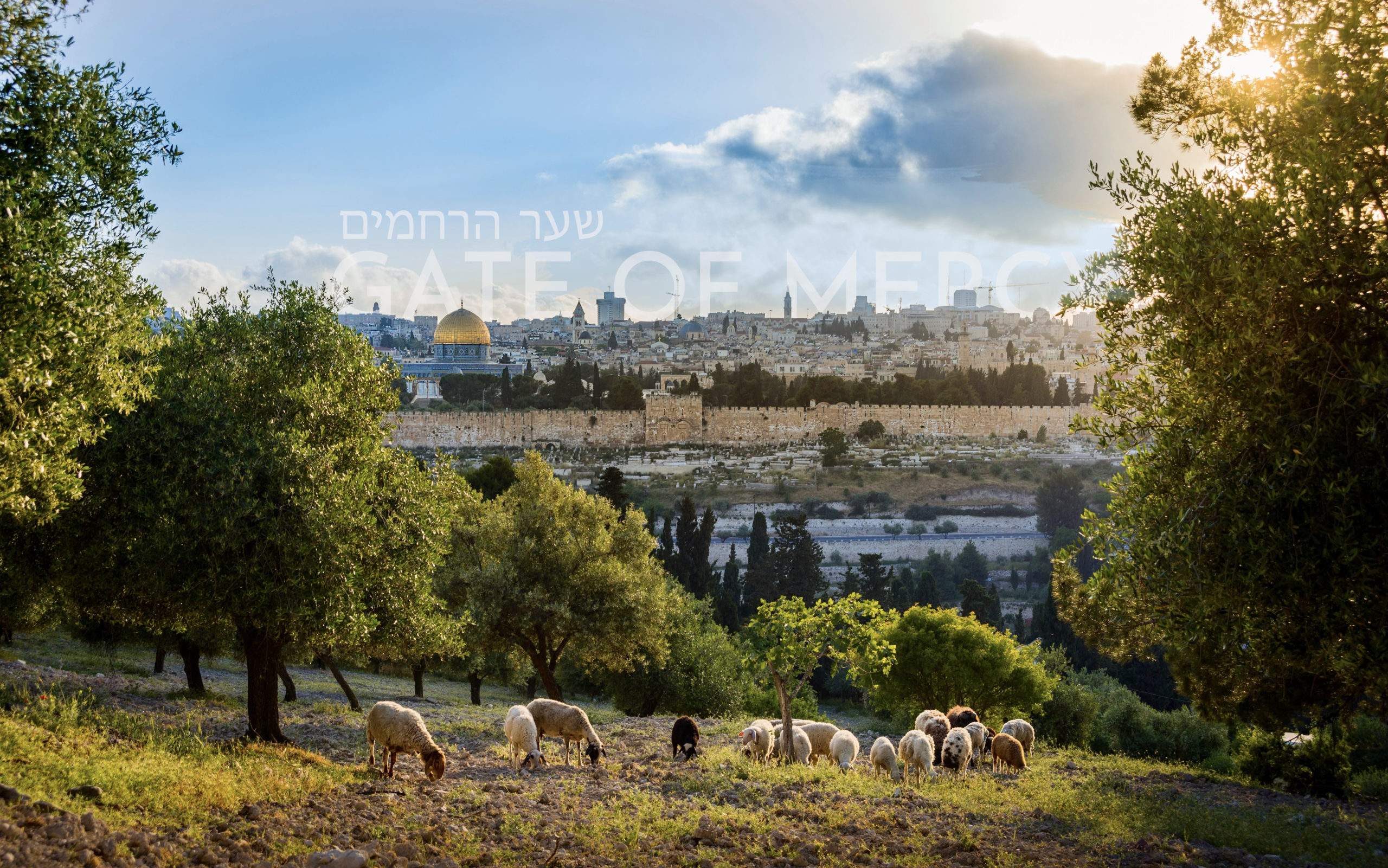
Set into the eastern wall of Jerusalem’s Old City and facing directly toward the Mount of Olives stands one of the most compelling and symbol-laden structures in the biblical world: the East Gate. Known also as the Golden Gate or the Gate of Mercy, this sealed entrance has captured the imagination of pilgrims, prophets, and scholars for centuries. For the Nahal Tours traveler, the East Gate is not merely an architectural feature—it is a visible intersection of history, prophecy, and expectation.
The gate visible today dates to the Byzantine or early Islamic period, likely constructed in the 6th or 7th century. Yet the story of this location reaches far deeper into Jerusalem’s past. Archaeological and historical evidence suggests that the foundations of the gate rest upon much earlier structures, possibly tracing back to the days of Nehemiah or even the First Temple period. During the times of Solomon’s Temple and later the Second Temple, the eastern side of the Temple Mount held special ceremonial importance, serving as a point of access associated with worship, sacrifice, and the glory of God.
As Jerusalem passed through successive empires, the East Gate was rebuilt and modified. Byzantine Christians, followed by early Muslim rulers, reshaped the gate into the double-arched structure seen today. Each rebuilding layered new history onto an already sacred threshold, reinforcing the sense that this gate stood at the center of something far greater than stone and mortar.
The deepest significance of the East Gate is found in Scripture. The prophet Ezekiel was given a vision in which the glory of the God of Israel returned to Jerusalem from the east.
“Afterward he brought me to the gate, the gate that faces toward the east. And behold, the glory of the God of Israel came from the way of the east… and the glory of the Lord came into the temple by way of the gate which faces toward the east.”
— Ezekiel 43:1–4 (NKJV)
Later, Ezekiel is told that this same gate would be shut, set apart for the Lord alone.
“Then the Lord said to me, ‘This gate shall be shut; it shall not be opened, and no man shall enter by it, because the Lord God of Israel has entered by it; therefore it shall be shut.’”
— Ezekiel 44:2 (NKJV)
For Jewish tradition, this prophecy gave rise to the belief that the Messiah would one day enter Jerusalem through the eastern gate. For Christians, the imagery resonates deeply with the life and ministry of Jesus. Many believe that on Palm Sunday, Jesus entered Jerusalem from the east, descending from the Mount of Olives as He fulfilled the words of the prophet Zechariah.
“Rejoice greatly, O daughter of Zion!
Shout, O daughter of Jerusalem!
Behold, your King is coming to you;
He is just and having salvation,
Lowly and riding on a donkey.”
— Zechariah 9:9 (NKJV)
In AD 30, Jesus wept over the city He entered in humility. Less than four decades later, Jerusalem would face destruction. Yet Scripture points beyond judgment toward restoration and return. The Mount of Olives, standing directly opposite the East Gate, carries its own prophetic weight. It is from this mount that Jesus ascended into heaven, and it is to this place that the angels declared He would return.

“This same Jesus, who was taken up from you into heaven, will so come in like manner as you saw Him go into heaven.”
— Acts 1:11 (NKJV)
In 1541, the Ottoman Sultan Suleiman the Magnificent ordered the East Gate sealed. Some believe this was done to prevent the fulfillment of Messianic prophecy; others suggest it was simply a defensive measure to strengthen the city’s walls. Regardless of motive, the result is striking. For nearly five centuries, the gate associated with God’s glory, Messiah’s coming, and future hope has remained closed—silent, watchful, and unresolved.
Today, the East Gate stands sealed, yet far from forgotten. Jews, Christians, and Muslims alike are drawn to its stones. Pilgrims pause before it in prayer and reflection, looking eastward toward the Mount of Olives and considering what Scripture promises still lies ahead. Beneath its arches and across the Kidron Valley, history seems to hold its breath.
For the Nahal Tours traveler, the East Gate is one of Jerusalem’s most powerful visual sermons. It reminds us that God’s plans unfold on His timetable, not ours. Empires rise and fall, walls are built and sealed, yet the word of the Lord remains sure.
“For the vision is yet for an appointed time;
But at the end it will speak, and it will not lie.
Though it tarries, wait for it;
Because it will surely come, it will not tarry.”
— Habakkuk 2:3 (NKJV)
The East Gate of Jerusalem stands as a silent witness—sealed in stone, yet alive with promise. It faces the direction from which Scripture says the glory of God came and will come again. And as generations have done before, we wait, watching the gate that Scripture refuses to let us forget.